



Gynecology and women’s health at the practice
Gynecology and women’s health covers complaints involving the uterus, ovaries, cervix, vulva and vagina, as well as menstrual cycles and cervical screening. This area includes examination, screening, further evaluation and the assessment of conditions that require surgery.
This page has two parts. The upper part helps you find the service that fits your situation. The guide in the lower part answers common questions, from irregular periods to menopause, and links to the relevant service page for each topic. The information in the guide does not make a diagnosis; it explains what is common and when an examination is recommended.
What is the approach at the practice?
Each step of the examination is explained in advance; if you wish, the examination is paused, and it is not continued if necessary. In Kuşadası, Op. Dr. Hüseyin Efe Akalın carries out gynecological examinations at the practice at Ege Mah. Turgut Özal Bulv. Cadde Residence A2 Blok Kat: 3 Daire: 10. Procedures that require surgery are performed in a hospital, not at the practice.
- Procedures at the practice: Laboratory samples are taken at the practice by our nurse. After being stored appropriately, the samples are analyzed at a contracted laboratory. When further imaging is needed, you may be referred.
- Privacy and companions: The examination room has a privacy curtain and a washbasin/WC; your privacy is protected and a nurse prepares you before the examination. A healthcare assistant is present during the examination; if you wish, someone close to you can also stay in the room.
- Language: Examinations can also be done in English.
What services are available in gynecology and women’s health?
Separate pages have been prepared for four topics in this area: general examination, cervical screening and follow-up of results, further investigation after an abnormal result, and the assessment of conditions that require surgery.
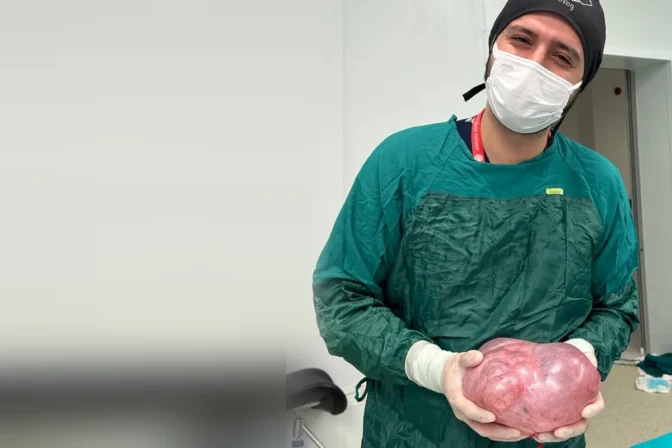
Gynecological examination
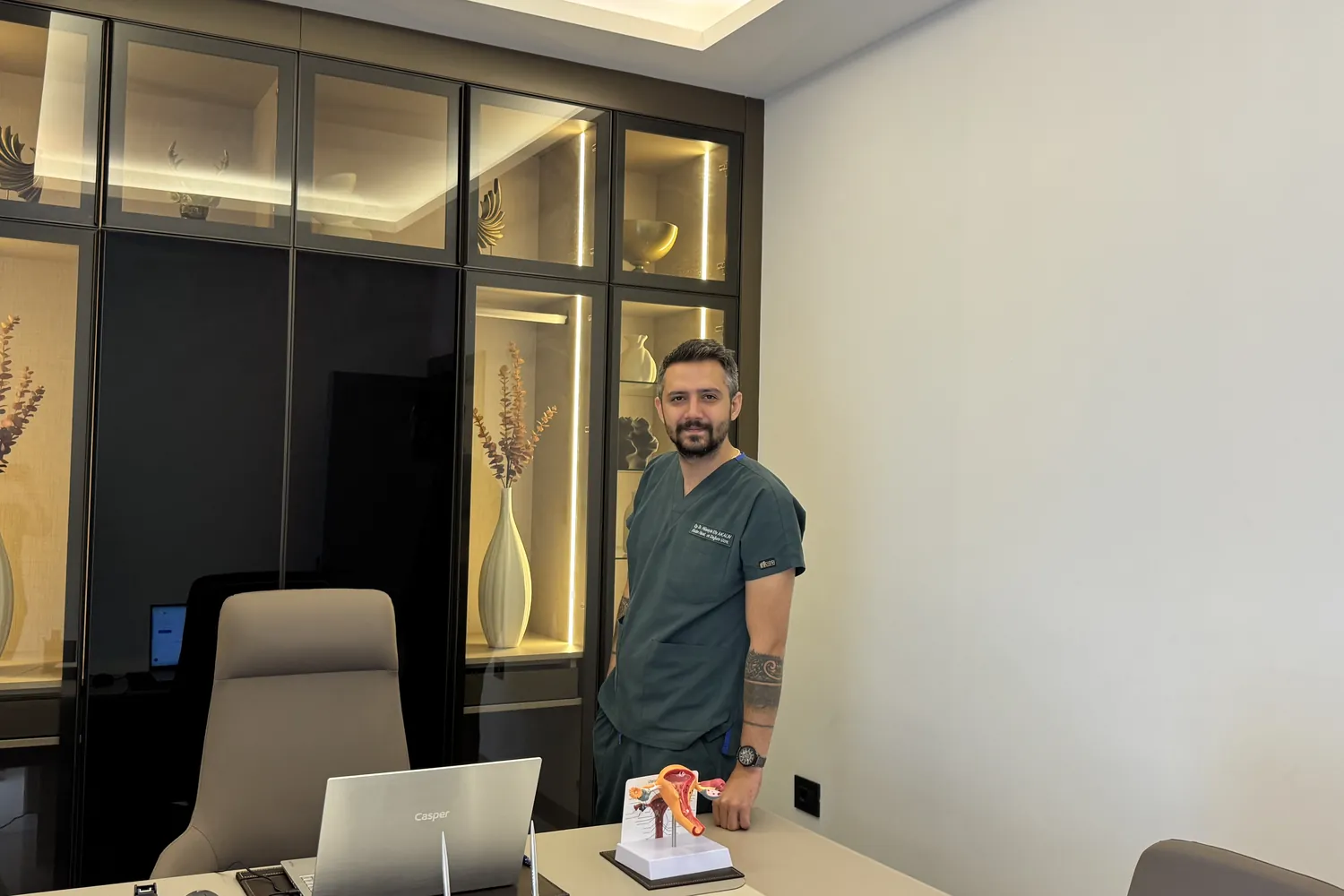
HPV and Pap smear follow-up
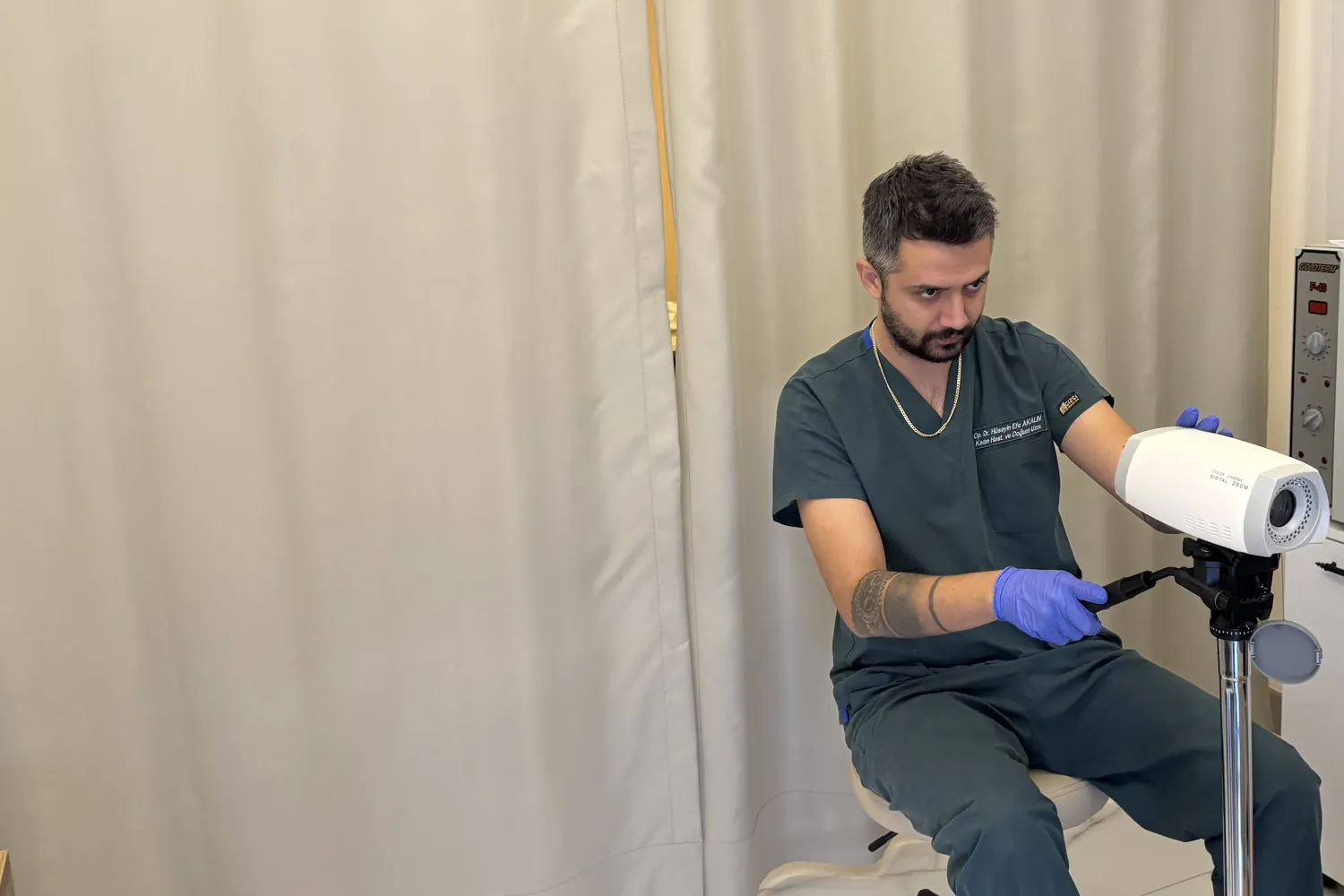
Colposcopy
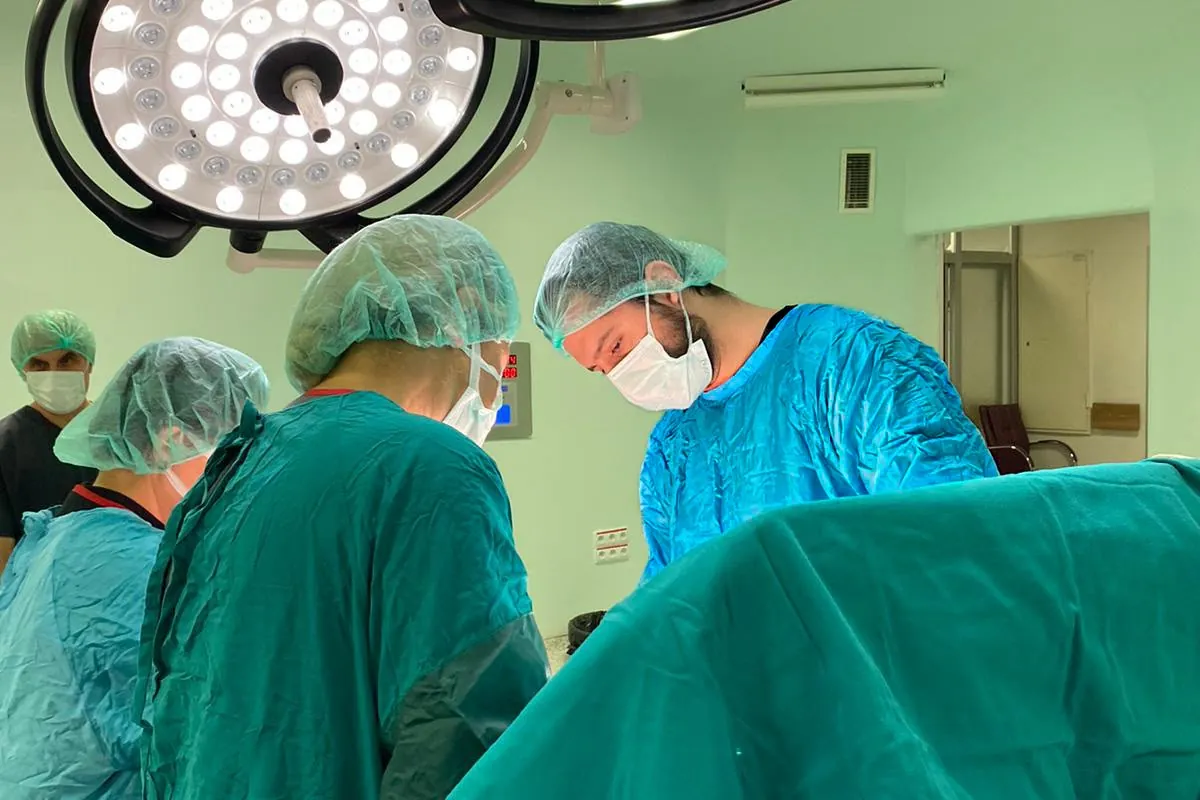
Gynecological surgery
Which page should you look at for your situation?
The table matches common situations to the relevant service page or guide section. If your situation is not listed here, you can book an appointment and talk to the doctor.
You are going for a gynecological examination for the first time or after a long time and want to know what to expect
You want to have cervical screening (Pap smear, HPV) or have a question about your result
Your Pap smear or HPV result was abnormal and you are wondering about the next step
Surgery has been recommended or you are considering surgery
Your periods are irregular or very painful
You have noticed bleeding or pain outside your period or after sex
The color, smell or consistency of your vaginal discharge has changed
You have been diagnosed with an ovarian cyst or PCOS (polycystic ovary syndrome)
Fibroids have been found
Fibroids →
You want to learn about the symptoms of gynecological cancers and screening
You are approaching menopause or are in menopause
You want to know which symptoms mean you should see a doctor
Service pages and appointments
Gynecology appointment
You can book an appointment at the practice to discuss your menstrual cycle, your complaint or your screening schedule. The practice is in Ege Mahallesi and is open on weekdays 09:30–19:00 and on Saturdays 09:30–14:30.
To book an appointment, your name and a convenient day and time are enough; we will discuss your health information at the examination.
In this guide
- When do irregular and painful periods need an examination?
- What causes bleeding between periods and bleeding during sex?
- When is vaginal discharge normal, and when should it be evaluated?
- What are ovarian cysts and PCOS, and how are they monitored?
- What are fibroids, and what symptoms do they cause?
- What are the symptoms of gynecological cancers, and how is screening done?
- What is menopause, and when is an examination needed?
What do people commonly ask about gynecological conditions?
The most common questions are about irregular periods, bleeding between periods, vaginal discharge, ovarian cysts and PCOS, fibroids, symptoms of gynecological cancers and menopause. Each is answered below based on the recommendations of health authorities and professional organizations. This is for information only; only an examination can determine the cause of a symptom.

When do irregular and painful periods need an examination?
Irregular periods can occur naturally during adolescence, after pregnancy and when approaching menopause; however, an examination is recommended if there is very heavy bleeding or pain that limits daily life. Irregularity may be linked to PCOS, ovarian cysts and ovulation disorders. Fibroids, endometriosis, adenomyosis, pelvic inflammatory disease, blood clotting disorders, blood-thinning medicines and a copper IUD can also affect the menstrual cycle and the amount of bleeding.
Painful periods (dysmenorrhea) are a natural process caused by contractions of the uterine muscles during menstruation. A temporary increase in period pain may occur in the first 3–6 months after an IUD is inserted. However, severe pain that painkillers do not relieve or that limits daily life should be evaluated, as it may be linked to conditions such as endometriosis, fibroids, adenomyosis or pelvic inflammatory disease. In this case, keeping a symptom and pain diary helps with the examination.
The cause of irregular periods and pain is investigated with an examination and ultrasound; see the gynecological examination page.
What causes bleeding between periods and bleeding during sex?
Bleeding on more days than your usual period, a period lasting more than 8 days, and spotting between periods may be linked to infections or structural conditions of the uterus or cervix; an examination is recommended to find the cause. Pain and bleeding during or after sex may be due to endometriosis, fibroids, bacterial vaginosis, infections of the cervix and vagina, or pelvic floor muscle disorders.
You are advised to consult a doctor about lower abdominal pain that painkillers do not relieve, bleeding between periods or after sex, and pain when urinating or having a bowel movement. The cause of recurring pain during sex can be investigated with an examination.
The cause of the bleeding is investigated at the examination; see the gynecological examination page.
When is vaginal discharge normal, and when should it be evaluated?
Vaginal discharge is a natural fluid that keeps the vagina clean and moist; it is considered normal for it to be odorless, clear or white, and thick or slippery. The amount may increase during pregnancy, when you are sexually active, when using birth control and around ovulation. A marked change in smell, color or consistency, or a marked increase in amount, may be linked to an infection and requires an examination.
Some of the common causes are:
- Bacterial vaginosis: Linked to a disturbance of the natural bacterial balance in the vagina; it can cause thin, watery, gray-white discharge with a fishy smell that is especially noticeable after sex. About half of those affected have no symptoms.
- Yeast infection: Associated with a thick, white discharge that looks like cottage cheese.
- Trichomonas infection: Can cause green, yellow or frothy discharge.
- Chlamydia, gonorrhea and genital herpes: Changes in discharge may occur together with pelvic pain, bleeding, or blisters and sores in the area.
The type of infection is confirmed by testing a sample of the discharge. If you notice a change in discharge during pregnancy, you are advised to tell your doctor; for complaints during pregnancy, see the pregnancy guide. If needed, a discharge sample is taken at the examination; see the gynecological examination page.
To discuss your complaint at an examination, you can contact the practice by phone or WhatsApp.

What are ovarian cysts and PCOS, and how are they monitored?
An ovarian cyst is a fluid-filled sac that develops on or inside an ovary. Most cysts are functional cysts that develop as a natural part of the menstrual cycle, and they usually go away on their own within a few months without causing any symptoms. Dermoid cysts (mature cystic teratoma), endometriomas (chocolate cysts) and some malignant types of cyst are less common. Cyst symptoms often never appear; for symptoms such as sudden and severe pain, see the section on when to seek emergency care.
Most simple cysts before menopause go away on their own within a few months. Op. Dr. Hüseyin Efe Akalın assesses cysts according to the type of cyst and the complaints it causes. If you have an endometrioma, you are advised to seek follow-up in case of chronic pelvic pain or difficulty getting pregnant. Whether surgery is needed is assessed at the examination; see the gynecological surgery page.
Polycystic ovary syndrome (PCOS) is a hormonal condition that can start in adolescence and continue until menopause. It may be linked to the following symptoms:
- Irregular periods or long gaps between periods
- Excess hair growth, hair loss, acne and oily skin
- Weight gain or difficulty losing weight
- Difficulty getting pregnant
- Dark, thickened patches of skin on the neck and in the armpits
- Fatigue, depression or anxiety
PCOS is assessed with blood tests that show hormone levels and insulin resistance and, in those over 18, with an ultrasound of the ovaries. You can find the stages at which ultrasound is done under the ultrasound evaluation heading.
What are fibroids, and what symptoms do they cause?
A fibroid is a tissue mass arising from the muscle layer of the uterus; more than 99% of fibroids are benign. Not every fibroid causes symptoms; sometimes they are found by chance during a routine check-up or a pregnancy scan. When they do cause symptoms, these may include heavy or painful periods, abdominal and lower back pain, frequent urination or urinary incontinence due to pressure on the bladder, constipation, bloating, discomfort during sex and difficulty getting pregnant.
Fibroids can be monitored. An examination is recommended if symptoms affect your daily life, work or relationships, or if simple painkillers are not enough. The number, size and location of fibroids are assessed with an abdominal and pelvic examination and a pelvic ultrasound. You can find medication and surgical options, and when surgery is decided on, under the fibroids and the decision for surgery heading.
What are the symptoms of gynecological cancers, and how is screening done?
Symptoms of gynecological cancers vary by type: for the cervix, screening is done without waiting for symptoms; for the uterus and ovaries, complaints such as bleeding, bloating and pain stand out. Most of these can also be caused by other conditions, so the cause is determined by an examination. Most of the symptoms below are common; still, if they persist, it is recommended that the cause be investigated. This section does not make a diagnosis.
Cervix and screening
For cervical cancer, screening is done without waiting for symptoms; Pap smear and HPV tests aim to detect cell changes before they cause symptoms. The starting age and intervals vary between guidelines; a screening plan suited to you is discussed at the examination. You can also see the HPV and Pap smear follow-up page. The steps to follow after an abnormal result are explained on the colposcopy page.
Symptoms of uterine (endometrial) cancer
The main symptoms are vaginal bleeding or spotting after menopause, unusually heavy periods, bleeding between periods and a change in discharge; a lump or feeling of swelling in the abdomen or pelvis, lower back or pelvic pain and pain during sex may also occur.
Ovaries
Reported symptoms include bloating or a constant feeling of gas in the abdomen (about 12 or more times a month), pain in the abdomen and pelvis, loss of appetite or feeling full quickly, and needing to urinate often or urgently; as well as indigestion, constipation or diarrhea, back pain, constant tiredness and unexplained weight loss. If symptoms do not go away, get worse or become more frequent, you are advised to consult a doctor. To assess the ovaries, the doctor performs an ultrasound evaluation. If needed, blood can be drawn at the practice for tumor markers. If needed, the patient is referred for pelvic CT or pelvic MRI.
If surgery comes up as a result of screening and further tests, the process is described in general terms on the gynecological surgery page; cancer surgery is outside the scope of this page.
What is menopause, and when is an examination needed?
Menopause is a natural life stage in which the menstrual pattern changes as hormone levels fall and periods eventually stop completely. Hormone treatments are reported to possibly help with heavy menstrual bleeding in the lead-up to menopause (perimenopause). With menopause, symptoms of estrogen-dependent conditions such as endometriosis usually decrease.
What to do about bleeding after menopause is covered below under the heading “See a doctor without waiting for an appointment”. If you notice an unexplained mass in the pelvis or abdomen after menopause, it is also recommended that a doctor evaluate it. Pelvic examination and ultrasound are used to examine the pelvic organs and possible tissue thickening after menopause. You can read how this examination is done under the what happens at the first visit heading.
When should you see a doctor for a gynecological condition?
In an emergency, call 112 or go to the nearest emergency department. An emergency department evaluation is recommended for the following symptoms:
Sudden severe pain
Very heavy bleeding
Unable to urinate
Bleeding after menopause
See a doctor without waiting for an appointment
For any vaginal bleeding after menopause, it is recommended that you see a doctor without delay. Op. Dr. Hüseyin Efe Akalın recommends that bleeding after menopause be evaluated without waiting for an appointment.
In the following situations, you are advised to schedule an appointment and be examined soon:
- Bleeding between periods or after sex
- Pain during sex, when urinating or when having a bowel movement
- Period pain or heavy menstrual bleeding that limits your daily life, work or relationships
- A change in the color, smell or consistency of discharge, or a marked increase in the amount of discharge
- Unexplained weight loss, constant bloating in the abdomen, loss of appetite
- A new mass felt in the abdomen or pelvis
For bleeding, pain and discharge during pregnancy, see the emergency care section of the pregnancy guide. Warning signs after a specific procedure are on the relevant page: gynecological examination, Pap smear and HPV follow-up, colposcopy, gynecological surgery.
Frequently Asked Questions
Does an ovarian cyst mean cancer?
Usually not; almost all cysts before menopause are benign. Functional cysts are a natural part of the menstrual cycle and usually go away on their own. For cysts that persist or grow, further imaging or surgical evaluation is planned. The nature of your own cyst and the follow-up plan are assessed with examination and imaging; you can discuss this with your doctor.
Is bacterial vaginosis a sexually transmitted disease?
No, bacterial vaginosis is not classified as a sexually transmitted infection. However, sexual activity can trigger it by changing the natural balance of the vagina. It can also occur in women who have never had sex. If there is a change in the smell, color or consistency of your discharge, an examination is recommended to find the cause.
Does douching get rid of discharge?
No. Vaginal douching, perfumed soaps, vaginal deodorants and antiseptic bath products do not improve the condition; they can further disturb the natural bacterial balance. It is recommended that you wash the genital area only with water and plain soap and avoid strong detergents when washing your underwear. If a change in the smell, color or consistency of your discharge persists, it is recommended that the cause be investigated with an examination.
Do painful periods always mean endometriosis?
Not always. Painful periods can be a natural process caused by contractions of the uterine muscles during menstruation. However, severe pain that painkillers do not relieve or that limits daily life should be evaluated, as it may be linked to conditions such as endometriosis, fibroids, adenomyosis or pelvic inflammatory disease. For details, see the irregular and painful periods section.

Reviewed by
Op. Dr. Hüseyin Efe AKALIN
Obstetrics and Gynecology Specialist
Başkent University Faculty of Medicine (2019) · Ankara Bilkent City Hospital, specialty training (2020–2024)
This page was reviewed by Op. Dr. Hüseyin Efe Akalın. Last updated: October 29, 2026
This page is for information only and does not replace an examination or diagnosis.
Sources
The information on this page is mainly based on publications from the following official bodies and professional organizations.
- National Health Service (NHS), Heavy periods
- National Health Service (NHS), Period pain
- National Health Service (NHS), Endometriosis
- National Health Service (NHS), Fibroids
- National Health Service (NHS), Bacterial vaginosis
- National Health Service (NHS), Vaginal discharge
- National Health Service (NHS), Ovarian cyst
- National Health Service (NHS), Polycystic ovary syndrome (PCOS)
- National Health Service (NHS), Ovarian cancer: symptoms
- National Health Service (NHS), Womb (uterus) cancer: symptoms
- National Health Service (NHS), Menopause
- National Institute for Health and Care Excellence (NICE), Endometriosis: diagnosis and management (NG73)
- Royal College of Obstetricians and Gynaecologists (RCOG), Ovarian cysts before the menopause
- Royal College of Obstetricians and Gynaecologists (RCOG), Management of Suspected Ovarian Masses in Premenopausal Women
- American College of Obstetricians and Gynecologists (ACOG), Heavy Menstrual Bleeding
- GOV.UK (NHS Cervical Screening Programme), Management and referral guidelines for colposcopy
Practice address, directions and appointments
To book an appointment, you can call, send a WhatsApp message or use the form on the contact page. Examinations are by appointment.
Address
Ege Mah. Turgut Özal Bulv. Cadde Residence A2 Blok Kat: 3 Daire: 10
09400 Kuşadası/Aydın
Building entrance and parking
Directions and map
The practice is on the 3rd floor of Cadde Residence, Block A2, on Turgut Özal Boulevard in Ege Mahallesi. Enter the building from the ring road through the barrier-controlled entrance at the right turn above the supermarket; the building has an elevator. Parking is available around the entrance and on the upper road, and the ring road, which all public transport lines pass along, is about 50 meters away. The building entrance and elevator are suitable for wheelchairs and strollers.