

Gynecological Surgery: Deciding on Surgery and the Process

For appointments and questions
Practice
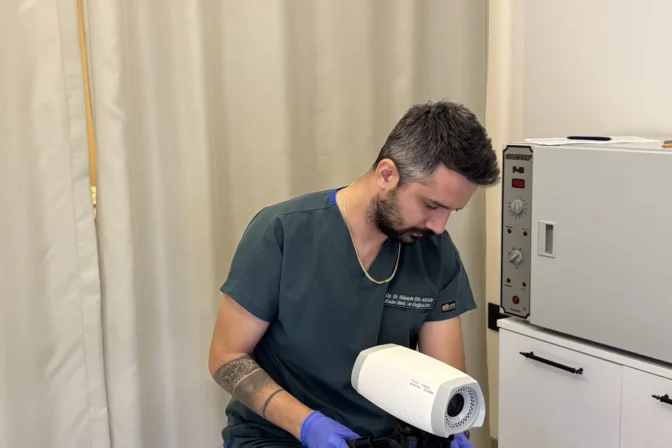
Op. Dr. Hüseyin Efe Akalın preparing the colposcope in the examination room

Gynecological examination

Briefly explains who needs the examination and when, and how privacy is protected at the practice.
Go to page

Op. Dr. Hüseyin Efe Akalın standing beside his desk in the consultation room

HPV and Pap smear follow-up

Briefly explains cervical cancer screening (Pap smear and HPV test) and sample collection at the practice.
Go to page
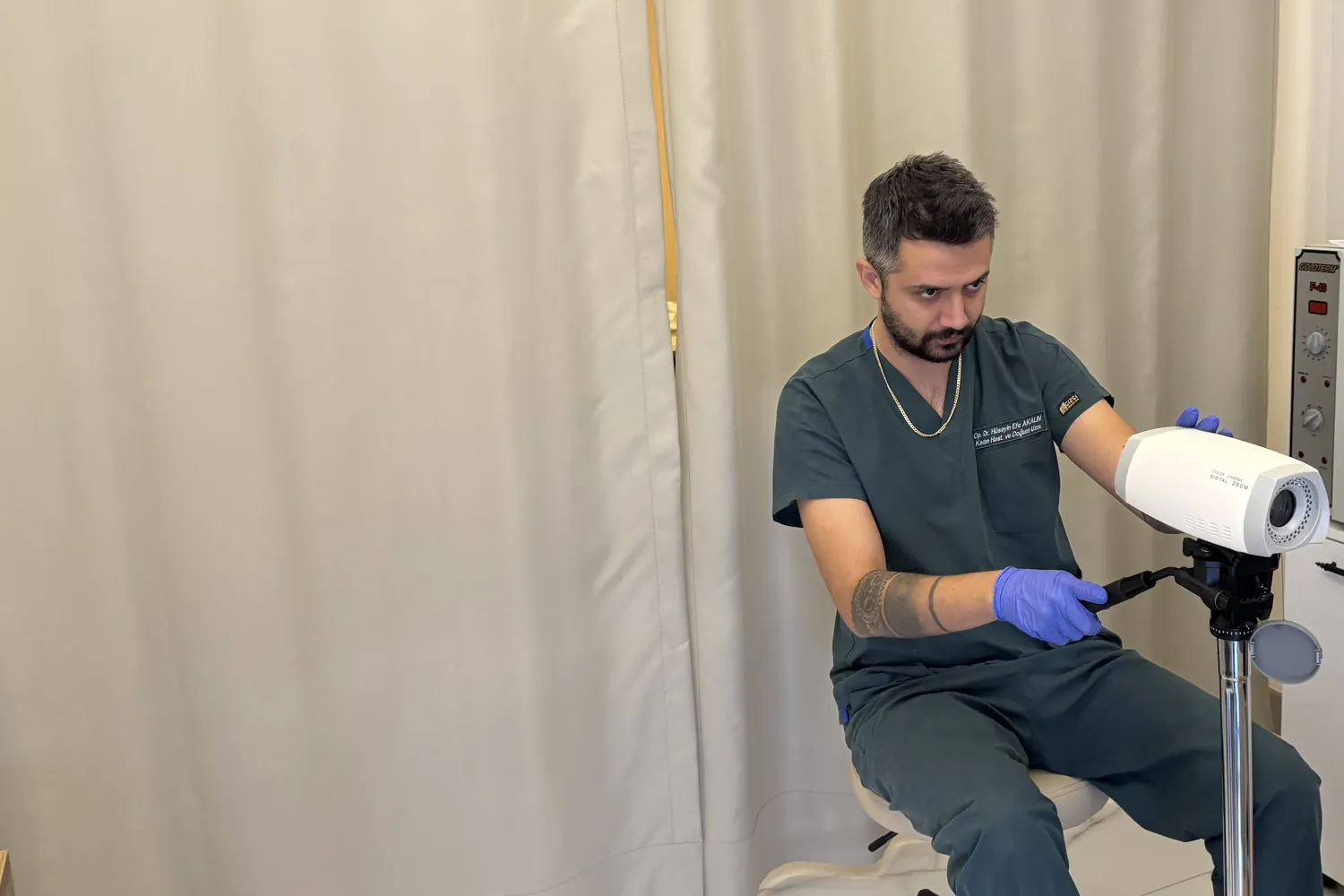
Op. Dr. Hüseyin Efe Akalın at the colposcope in the examination room

Colposcopy

Briefly explains the examination in which the cervix is viewed under magnification after an abnormal screening result, and a biopsy when needed.
Go to page
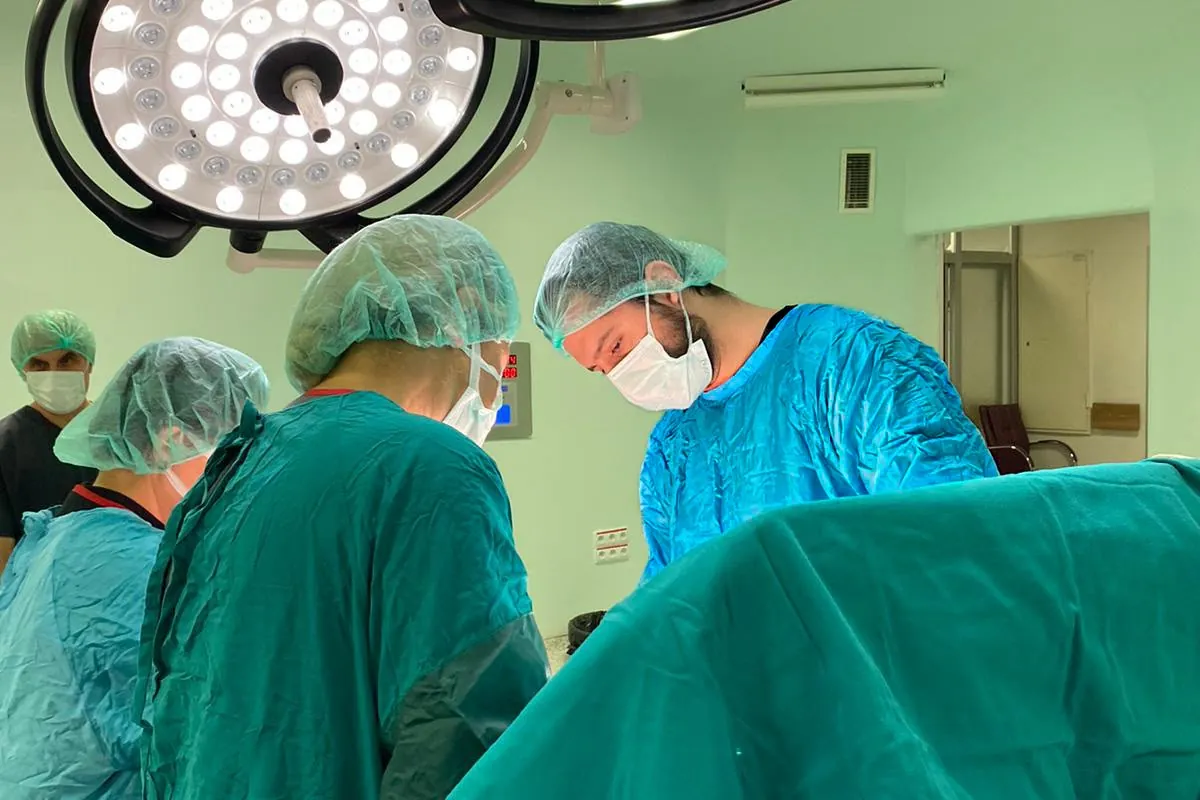
Op. Dr. Hüseyin Efe Akalın in the operating room with the surgical team

Gynecological surgery

Explains how the decision on surgery is evaluated at the consultation for conditions such as fibroids, cysts and pelvic organ prolapse; operations are performed in a hospital.
Go to page


Gynecological surgery covers operations for benign conditions such as fibroids, cysts and pelvic organ prolapse; whether surgery is needed and the options are evaluated at the consultation; operations are performed in a hospital.

Gynecological surgery is the general term for operations performed for benign conditions such as fibroids, cysts, endometriosis, abnormal bleeding and pelvic organ prolapse. The method is chosen according to your wish to have children, your anatomy and the stage of the condition. The evaluation before surgery is done at Op. Dr. Hüseyin Efe Akalın's practice in Kuşadası; operations are performed in a hospital.

When is gynecological surgery considered?

  • Heavy menstrual bleeding: When medicines and less invasive methods are not enough
  • Fibroids and polyps that cause symptoms: When they cause heavy bleeding, pressure or pain in the lower abdomen
  • Endometriosis: In severe pain that does not respond to medicines, or with difficulty getting pregnant
  • Ovarian cyst: When it does not go away on its own, causes significant symptoms or looks suspicious
  • Uterine prolapse: When symptoms significantly affect daily life

Most fibroids and cysts that cause no symptoms do not need surgery; they are monitored first.

Op. Dr. Hüseyin Efe Akalın standing in his office, full room view
Clinic waiting area and reception desk with large windows

Which symptoms after surgery need medical attention?

If you have any of these symptoms, you are advised to contact your doctor or an emergency department.

Fever
High fever, chills, or redness or discharge at the wound site.
Bleeding
Excessive, heavy or suddenly increasing vaginal bleeding.
Shortness of breath
Sudden chest pain or shortness of breath: call 112.
Leg swelling
Sudden swelling, redness and severe pain in a leg: call 112.

In an emergency, call 112 or go to the nearest emergency department.

At the practice

  • Conditions that may require surgery are evaluated at the practice with an examination and ultrasound.
  • Whether surgery is needed, the options and the decision on surgery are discussed with you at the consultation.
  • Operations are performed in a hospital, not at the practice.
  • If needed, follow-up after surgery is done at the practice.
  • Consultations can be conducted in Turkish or English.

Pre-surgery evaluation appointment

If surgery has been recommended to you or you would like to learn about your options, you can send your appointment request by phone, WhatsApp or the form on the contact page. The practice is in Ege Mahallesi and is open 09:30⁠–⁠19:00 on weekdays and 09:30⁠–⁠14:30 on Saturdays.

To book, your name and a convenient day and time are enough; we will discuss your health information during the consultation.

Frequently Asked Questions

What is the difference between laparoscopic (keyhole) surgery and open surgery?

In laparoscopic (keyhole) surgery, a camera and instruments are inserted through a few small incisions in the abdomen; in open surgery, a larger incision is made in the lower abdomen. Which one is suitable is decided based on the anatomy and the condition.

No. Fibroids that cause no symptoms do not always need treatment. If symptoms become more severe, the options are discussed at the consultation.

Hysterectomy is not recommended for those who want to preserve their uterus and fertility; uterus-preserving operations, such as removal of the fibroids, are among the options.

Removal of the uterus alone stops periods, but as long as the ovaries are preserved, it does not bring on menopause immediately.

This page has been reviewed by Op. Dr. Hüseyin Efe Akalın. Last updated: October 29, 2026

The information on this page is based on the recommendations of ACOG (USA), ESHRE (Europe), NICE and the NHS (UK). It is for information only and does not replace an examination or diagnosis.