

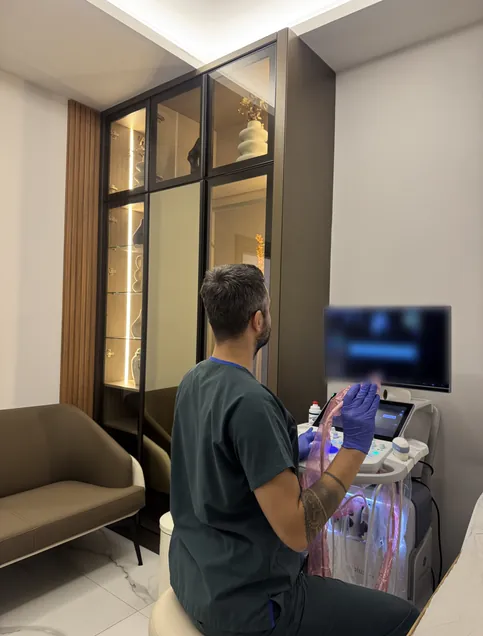

Pregnancy follow-up and prenatal care at the practice
Pregnancy and prenatal care is a broad process that runs from finding out you are pregnant to the first weeks after birth, covering symptoms, the mode of birth and the postpartum period together. How pregnancy follow-up works at the practice is briefly explained on the pregnancy follow-up page. On this page, you can find which service is needed in which situation, along with the most common questions about pregnancy.
The page has two parts. The upper part helps you quickly find the service that fits your situation. The guide in the lower part answers common questions in order, from pregnancy symptoms to the mode of birth and the postpartum period. The information in the guide does not make a diagnosis; it only explains what is common and when you should see a doctor. At the end of each section, there is a link to the related service page.
How is pregnancy follow-up carried out at the practice?
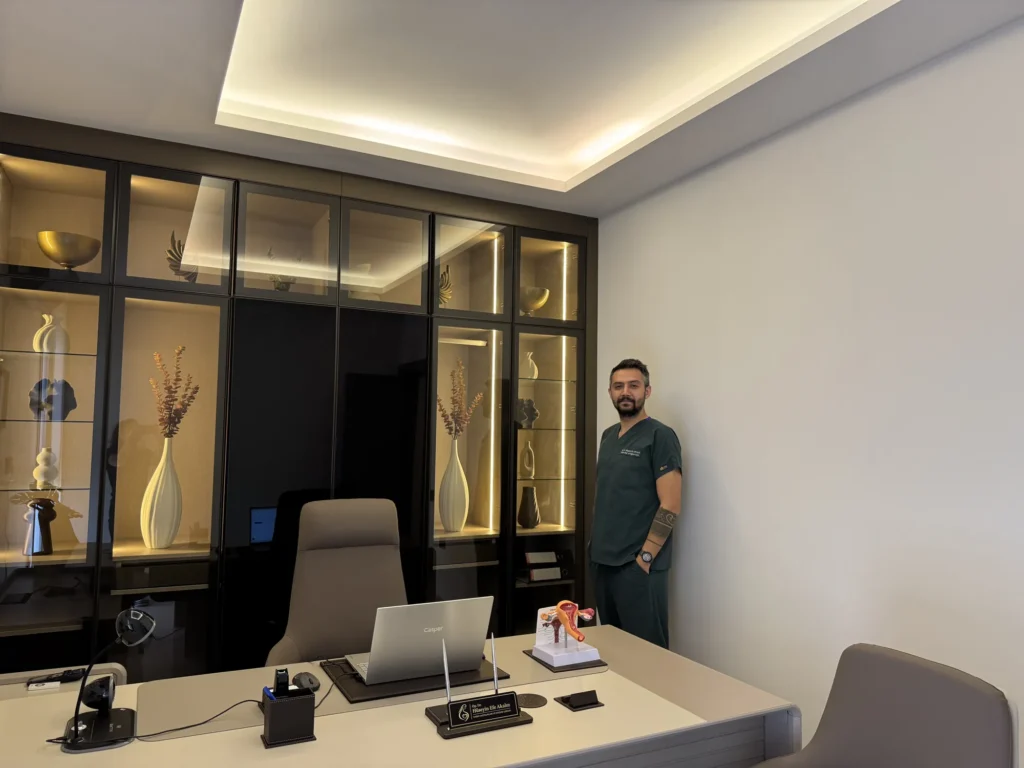
Pregnancy follow-up starts within the same framework for every pregnant woman and is then shaped by her health history, previous pregnancies and the course of her pregnancy. The visit is built around listening to you, answering your questions and explaining the follow-up process step by step. In Kuşadası, Op. Dr. Hüseyin Efe Akalın provides pregnancy follow-up at the practice in Ege Mahallesi. Births take place in a hospital, not at the practice.
At each check-up, your blood pressure, weight and the baby’s growth are monitored; the findings are reviewed with you, and the next step is planned together. If a new symptom or question comes up during your pregnancy, you do not need to wait for the next check-up; an appointment can be arranged to talk with the doctor. Check-ups take about 15–20 minutes. Results are explained to you clearly, and options are discussed in detail.
- First visit: At our practice, if the pregnancy cannot yet be seen on ultrasound, follow-up begins with a blood pregnancy test (beta-hCG) done in a laboratory. This value is monitored, and the ultrasound is scheduled for when the gestational sac can be expected to be visible.
- Approach to birth: Vaginal birth is supported for pregnant women for whom it is suitable; the decision for a cesarean section is made according to the medical situation. Vaginal birth after cesarean (VBAC) is not planned in Op. Dr. Hüseyin Efe Akalın’s own practice. If you are considering this option, your eligibility and your options are discussed at the first visit.
- Support: Your partner can come to the visits with you.
- Language: Pregnancy follow-up can also be done in English.
Which services are available in this area?
There are two main services during pregnancy: regular pregnancy follow-up and ultrasound examination of the baby’s development. Each has its own page. Postpartum check-ups are not a separate service page; they are handled as a continuation of pregnancy follow-up and are summarized in the postpartum section of the guide. Births take place in a hospital, not at the practice.

Pregnancy follow-up
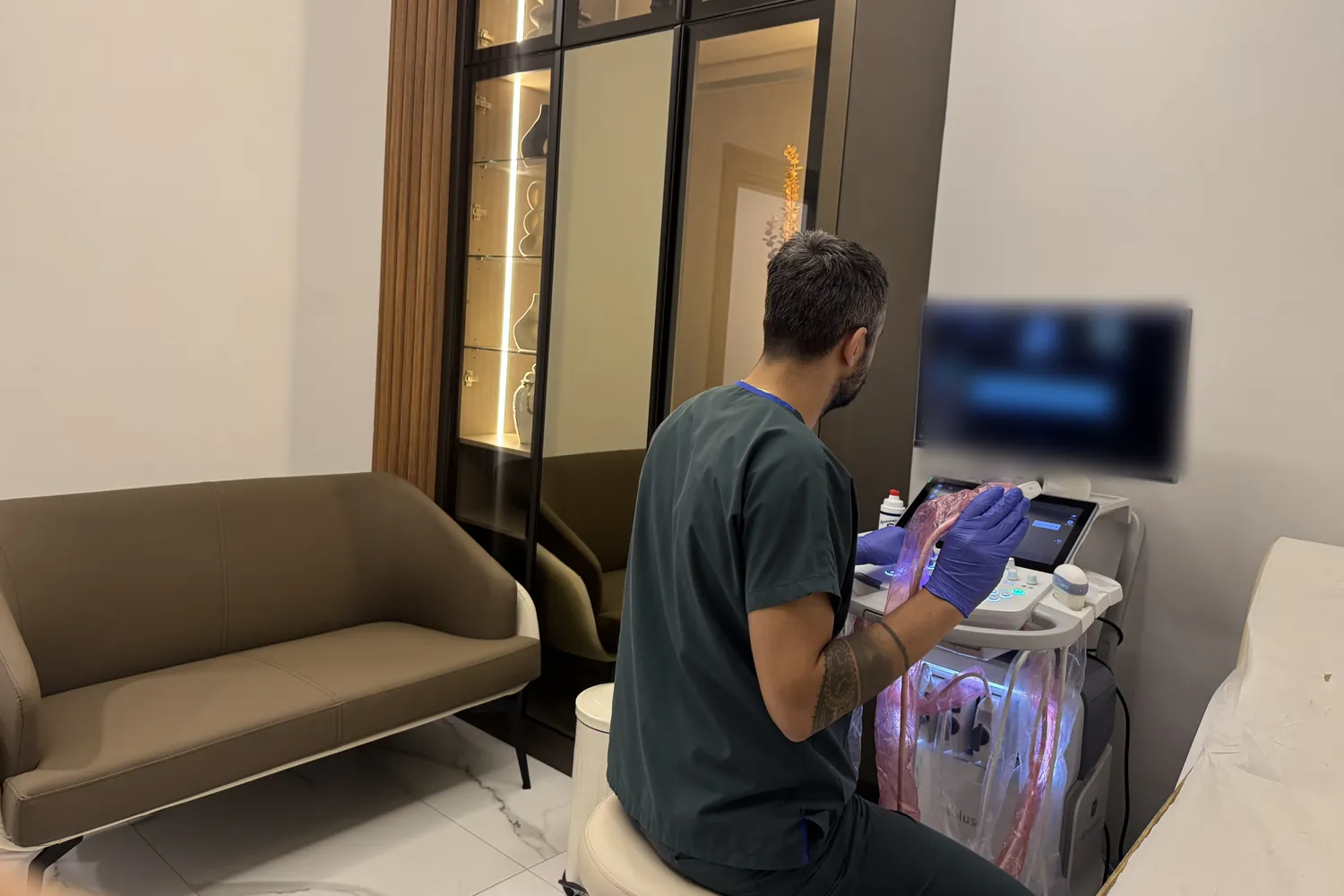
4D ultrasound and pregnancy ultrasound
Which page should you look at for your situation?
The right section depends on the information you need: see the service pages for follow-up and ultrasound, and the guide below for symptoms and birth. The table matches common situations with the relevant section. If your situation is not listed, you can book an appointment to talk with the doctor.
You have just found out you are pregnant and want to start pregnancy follow-up
You want to continue pregnancy follow-up that started elsewhere
You are wondering what pregnancy ultrasound or 4D ultrasound is, or your detailed anomaly scan is coming up
You want to know whether a symptom or complaint is normal
You are looking for information on the mode of birth or vaginal birth after cesarean
You are wondering about postpartum check-ups and the recovery period
You want to know which symptoms during pregnancy mean you should see a doctor
You want to learn about contraception after birth
Service pages and appointments
Appointments for pregnancy
You can book an appointment at the practice to talk about your pregnancy, plan your first visit or continue your ongoing follow-up. The practice is in Ege Mahallesi and is open weekdays 09:30–19:00 and Saturdays 09:30–14:30.
To book, we only need your name and a day and time that suit you; we will discuss your health information at your visit.
In this guide
- What are the first signs of pregnancy, and how is pregnancy confirmed?
- How is the due date calculated?
- Pregnancy timeline: how do prenatal check-ups work?
- Which common complaints in pregnancy are normal, and which are urgent?
- What should nutrition, weight gain and exercise look like in pregnancy?
- Vaginal birth or cesarean section: how is the decision made?
- Is vaginal birth possible after a cesarean?
- Postpartum care: what is monitored after birth?
- When should you see a doctor during pregnancy and after birth?
What do people most want to know about pregnancy and prenatal care?
The most common questions are about pregnancy symptoms, the due date, the check-up schedule, complaints, nutrition, the mode of birth and the postpartum period; each is answered below based on the recommendations of health authorities and professional organizations. This information is for general guidance; only an examination can determine the cause of a symptom.
What are the first signs of pregnancy, and how is pregnancy confirmed?
A missed period is the main sign of pregnancy; nausea, tiredness, weakness, frequent urination, breast tenderness, dizziness and constipation are also common complaints. Pregnancy is shown by a pregnancy test on blood or urine; the week of pregnancy is then clarified with an examination and ultrasound.
About 1–2 weeks after fertilization, light spotting may occur as the fertilized egg attaches to the lining of the uterus. This happens in about 15% to 25% of pregnancies. Because the blood vessels in the cervix increase during pregnancy, light spotting can also occur after sex, a Pap test or a pelvic examination. Not every bleed in early pregnancy means pregnancy loss, but even if it is light, you should tell your doctor and have the cause assessed with an examination.
When your period is late or a home test is positive, it is appropriate to plan a routine visit. For the timing and content of the first follow-up visit, see the first visit and follow-up schedule page.
How is the due date calculated?
For women with regular periods, the expected due date is calculated from the first day of the last menstrual period using Naegele’s rule: subtract 3 months from the date of the last period and add 7 days. For a woman whose last period started on August 5, this method gives an estimated due date of May 12.
If periods are irregular or the date is not remembered, the week of pregnancy and the expected due date are determined by ultrasound. In the first three months, the baby’s crown-rump length is measured; measurements such as head diameter and abdominal circumference can also be used. Ultrasound dating is more reliable the earlier in pregnancy it is done, and measurements taken before week 20 give more accurate results.
The expected due date is used to time check-ups and any possible interventions. You can discuss how this date will be used in your case during the first visit.
Pregnancy timeline: how do prenatal check-ups work?
The pregnancy timeline covers the systematic check-up steps carried out from the confirmation of pregnancy until birth to protect the health of mother and baby. Under the standards of the Republic of Türkiye Ministry of Health, every pregnant woman has at least 4 quality prenatal care visits. In the UK (NHS Wales), for example, more frequent follow-up is planned for women with a previous cesarean section, depending on their risk.
At check-ups, blood pressure, weight and the baby’s growth are monitored; ultrasound is used to assess fetal growth, the position of the placenta and the mother’s health. It is a mistake to think that an ultrasound in the last months of pregnancy estimates the baby’s birth weight without error.
For pregnancy follow-up at the practice, see the pregnancy follow-up page; for pregnancy ultrasound, 4D imaging and referral for a detailed anomaly scan, see the 4D ultrasound and pregnancy ultrasound page.
To plan your pregnancy follow-up, you can reach the practice by phone or WhatsApp.
Which common complaints in pregnancy are normal, and which are urgent?
Most complaints in pregnancy come from the body’s hormonal and physical adjustment; complaints that are severe, persistent or accompanied by bleeding, however, should be assessed by a doctor. Below you can find which complaint falls into which group.
Nausea and vomiting
Mild to moderate nausea and vomiting are common, especially in the first three months. Severe nausea and vomiting that keep you from taking in fluids and food and lead to weight loss and weakness need urgent assessment.
Are headaches normal in pregnancy?
Headaches that ease with rest can be mentioned to your doctor at a routine check-up. A severe or persistent headache, especially with blurred vision or high blood pressure, can be a sign of preeclampsia; in that case, go to a hospital urgently.
Lower abdominal and abdominal pain
Mild tenderness in the lower abdomen and abdomen due to the growing uterus and stretching ligaments can occur in pregnancy. Severe abdominal pain or cramps may be linked to conditions such as miscarriage, ectopic pregnancy or placental abruption, so go to a hospital without delay.
Vaginal bleeding
If you notice bleeding or spotting in pregnancy, you should tell your doctor, even if it is light. In early pregnancy, causes include implantation, cervical sensitivity, infection, risk of miscarriage or ectopic pregnancy; in later weeks, they include the placenta covering the cervix, placental abruption or preterm labor. If you have bright red or heavy bleeding with clots, or if the bleeding comes with severe abdominal or back pain or watery discharge, go to a hospital immediately. About half of women who have bleeding in early pregnancy go on to have a healthy pregnancy.
Constipation, frequent urination and leg cramps
Rising hormone levels and iron supplements can cause constipation; high-fiber foods, plenty of water and regular walking help. Pressure of the uterus on the bladder can cause frequent urination, and increased blood volume and hormonal changes can lead to varicose veins and hot flashes. Leg cramps can be eased with movements that support circulation and with leg exercises. If these complaints affect your daily comfort, ask your doctor at a routine check-up. A burning feeling when urinating or blood in the urine may be a sign of a urinary tract infection and needs urgent assessment.
Your complaints are assessed at your check-ups; you can also see the pregnancy follow-up page.
What should nutrition, weight gain and exercise look like in pregnancy?
In pregnancy, a high-fiber diet, enough fluids and regular light exercise support the mother’s health and digestion. At the first visit, your body mass index is calculated from your height and weight; the weight gain recommended for your pregnancy is based on this value.
Whole-grain bread, cereals, fresh vegetables and fruit, and legumes help prevent constipation. Walking and swimming maintain muscle tone, improve circulation and reduce cramps and varicose veins. Smoking, alcohol and substance use should be avoided throughout pregnancy. The World Health Organization recommends that pregnant women who consume more than 300 mg of caffeine a day reduce their caffeine intake. Caffeine-free and alcohol-free drinks are recommended throughout the day.
If you have sudden chest pain, shortness of breath, vaginal bleeding or leaking fluid during exercise, stop the activity and see a doctor. The use of supplements such as iron and vitamin D is discussed with the doctor at routine visits. For details on supplements, see the supplements and vaccines in pregnancy section.
Vaginal birth or cesarean section: how is the decision made?
The mode of birth is decided together with the doctor based on the medical situation; a cesarean section is a surgical procedure performed when there are medical reasons for it. A cesarean section without a medical reason is reported to be associated with risks such as infection, bleeding, blood clots, a longer hospital stay and more pain.
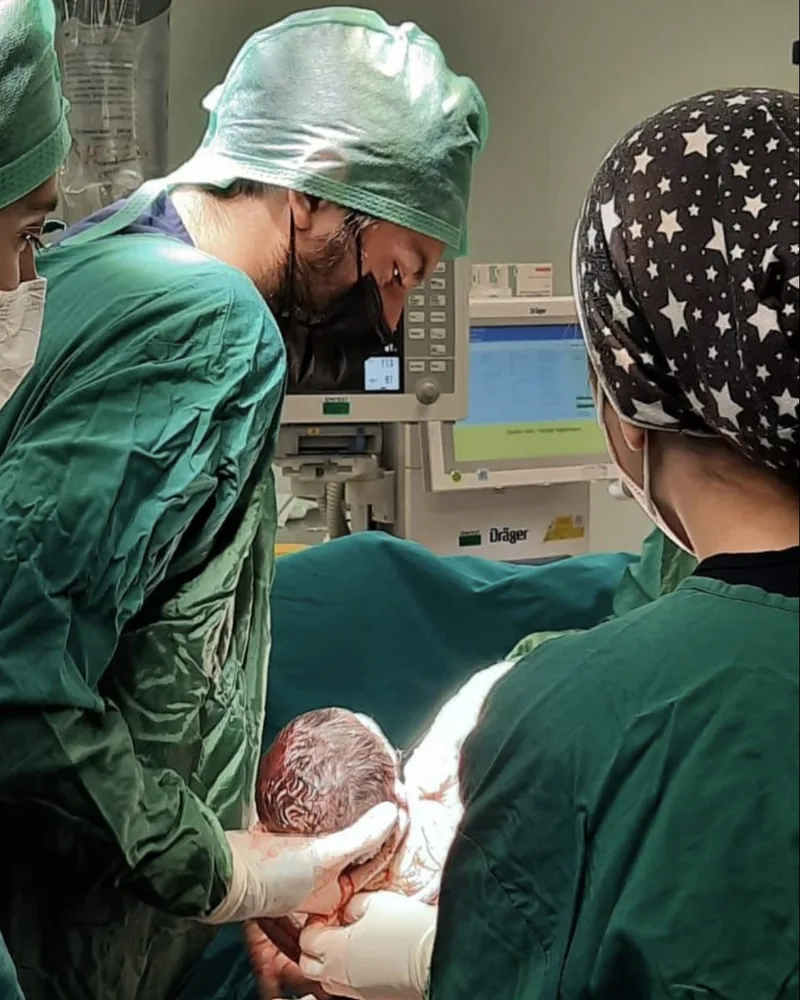
The decision for a cesarean section is mainly based on the following medical groups:
- Related to the baby: An abnormal heart rate that does not improve, unusual presentations such as breech, and multiple pregnancies of triplets or more.
- Related to the mother: Previous surgery on the uterus, infections that can pass to the baby such as active genital herpes, and severe preeclampsia that cannot be brought under control.
- Related to labor: Labor that does not progress, and the baby’s head not fitting through the pelvis.
- Related to the placenta and umbilical cord: The cord slipping into the vagina, the placenta covering the cervix, and placental abruption.
Your birth plan is finalized with your doctor during pregnancy follow-up; to see how check-ups progress, see the pregnancy follow-up and check-up schedule page.
Is vaginal birth possible after a cesarean?
Sources state that having had one cesarean section does not necessarily mean the next birth must be by cesarean, and that under suitable conditions, vaginal birth after cesarean (VBAC) can be offered after its risks and benefits have been explained. VBAC is not planned in Op. Dr. Hüseyin Efe Akalın’s own practice. If your previous birth was by cesarean, you can discuss the mode of birth together at the first visit.
For this option, the previous cesarean must have been done with a horizontal incision in the lower part of the uterus (lower segment transverse incision), there must be no other surgical scar on the uterus and no narrowing of the pelvis, and the baby’s estimated weight must be under 4000 grams. A history of a classical vertical incision, a T-shaped incision, myomectomy or uterine rupture rules out VBAC.
The most important risk of VBAC is uterine rupture, which is rare. A cesarean may also become necessary during labor. For this reason, sources consider a hospital with a blood bank, continuous fetal heart rate monitoring, an operating room, and obstetric and anesthesia teams available 24 hours a day to be necessary for VBAC.
If you have had a cesarean before, it is advisable to discuss the mode of birth with your doctor in the early months of pregnancy. You can have this conversation during pregnancy follow-up.
Postpartum care: what is monitored after birth?
The postpartum period is a recovery period in which the mother’s vital signs, the shrinking of the uterus, bleeding, breastfeeding and mood are closely monitored. The Republic of Türkiye Ministry of Health guideline provides for regular postpartum follow-up; for the number and timing of these visits, see the postpartum check-ups page. In England, NICE states that routine postnatal care covers the first 8 weeks after birth.
At each visit, blood pressure, pulse, temperature, amount of bleeding, the shrinking of the uterus, lochia (postpartum discharge), and the perineal and cesarean stitches are checked; anemia, blood clots and emotional well-being are also assessed.
Does urinary incontinence after birth go away?
Leaking urine during pregnancy and after birth is common and usually temporary. During pregnancy and birth, the pelvic floor muscles are stretched and may weaken. This can cause urine to leak when you cough, sneeze, laugh or stand up suddenly. Kegel exercises are reported to possibly help you regain bladder control by strengthening these muscles. You can start the exercises once the urinary catheter has been removed and you have passed urine for the first time. In the slow exercise, squeeze the muscles as if holding in gas or a tampon, hold for up to 10 seconds and repeat 10 times; in the fast exercise, squeeze the muscles quickly and let go. The exercises are done 4–5 times a day.
Constant sadness and crying: tiredness or depression?
Constant crying, helplessness and anxiety may not be explained by tiredness; in that case, an assessment for postpartum depression may be needed. The Ministry of Health guideline recommends assessing the risk with a short questionnaire called the Edinburgh Postnatal Depression Scale. If this applies to you, you are advised to contact your doctor.
For contraception options after birth, see the family planning page.
When should you see a doctor during pregnancy and after birth?
In an emergency, call 112 or go to the nearest emergency department. If a symptom worries you, you can contact your doctor without waiting for your check-up. With symptoms such as bleeding, watery discharge, severe headache, reduced baby’s movements, fever, severe abdominal pain and shortness of breath, you are advised to see a doctor without waiting. In addition, the Ministry of Health guideline recommends going to an emergency healthcare facility with the following signs:
Severe nausea and vomiting
Seizures
Widespread swelling
Weakness and itching
After birth, you should also see a doctor without delay if you have any of the following:
- Heavy bleeding that soaks more than 2–3 pads in 20–30 minutes, or passing blood clots
- A fever above 38°C
- Severe pain at the stitches or in the pelvis
- Swelling or pain in one leg
- Lack of interest in your baby or severe sadness
Frequently Asked Questions
Is it harmful to lie on your back during pregnancy?
After week 28 of pregnancy, you are advised to rest lying on your side. Lying on your back can cause the growing uterus to press on the main vein and reduce blood flow to the brain and to the baby; this may make you feel faint. Some studies have reported that lying on your back in late pregnancy is associated with an increased risk for the baby.
Is my request alone a sufficient reason for a cesarean section?
The source guideline calls for an individual assessment rather than the request alone. In psychological situations such as extreme fear, anxiety or panic, the process is individualized by providing information, and an informed consent form is obtained. You can share your concerns with your doctor during pregnancy follow-up and talk through the reasons behind your thoughts about a cesarean together.
How is labor monitored once it starts?
Once labor starts, its progress is monitored on a chart called a partograph. Labor that does not progress and an abnormality in the baby’s heart rate that does not improve are among the reasons for a cesarean section. You can discuss your questions about how labor is monitored with your doctor during pregnancy follow-up.
When does breastfeeding start after birth?
After a vaginal birth, breastfeeding should be started as soon as possible unless there is a complication requiring anesthesia. After a cesarean section, there is a wait of 4–8 hours before moving on to oral feeding, and breastfeeding is then supported right away. The Ministry of Health encourages giving only breast milk for at least 6 months after birth.

Reviewed by
Op. Dr. Hüseyin Efe AKALIN
Obstetrics and Gynecology Specialist
Başkent University Faculty of Medicine (2019) · Ankara Bilkent City Hospital, specialty training (2020–2024)
This page was reviewed by Op. Dr. Hüseyin Efe Akalın. Last updated: October 29, 2026
This page is for information only and does not replace an examination or diagnosis.
Sources
The information on this page is based mainly on publications from the following official institutions and professional organizations.
- Republic of Türkiye Ministry of Health, General Directorate of Public Health, Antenatal Care Management Guideline
- Republic of Türkiye Ministry of Health, General Directorate of Public Health, Postnatal Care Management Guideline
- American College of Obstetricians and Gynecologists (ACOG), Bleeding During Pregnancy
- National Health Service (NHS), Common health problems in pregnancy
- National Institute for Health and Care Excellence (NICE), Antenatal care
- National Institute for Health and Care Excellence (NICE), Postnatal care
- NHS Wales, Swansea Bay University Health Board, Birth After Caesarean Section
- International Society of Ultrasound in Obstetrics and Gynecology (ISUOG), Routine mid-trimester fetal ultrasound scan
Practice address, directions and appointments
To book an appointment, you can call, send a WhatsApp message or use the form on the contact page. Examinations are by appointment.
Address
Ege Mah. Turgut Özal Bulv. Cadde Residence A2 Blok Kat: 3 Daire: 10
09400 Kuşadası/Aydın
Building entrance and parking
Directions and map
The practice is in Ege Mahallesi, on the 3rd floor of Cadde Residence, Block A2, on Turgut Özal Boulevard. Enter the building from the ring road through the barrier entrance at the right turn above the supermarket; the building has an elevator. Parking is available around the entrance and on the road above, and the ring road, which all bus lines use, is about 50 meters away. The building entrance and elevator are suitable for wheelchairs and strollers.