

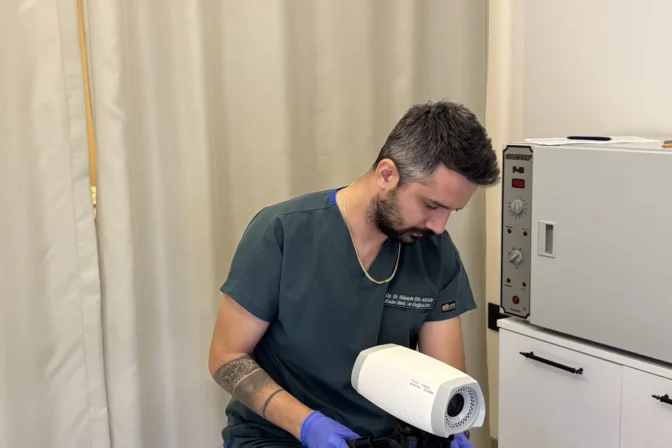
Colposcopy and Cervical Biopsy

For appointments and questions
Practice
Op. Dr. Hüseyin Efe Akalın preparing the colposcope in the examination room

Gynecological examination

Briefly explains who needs the examination and when, and how privacy is protected at the practice.
Go to page
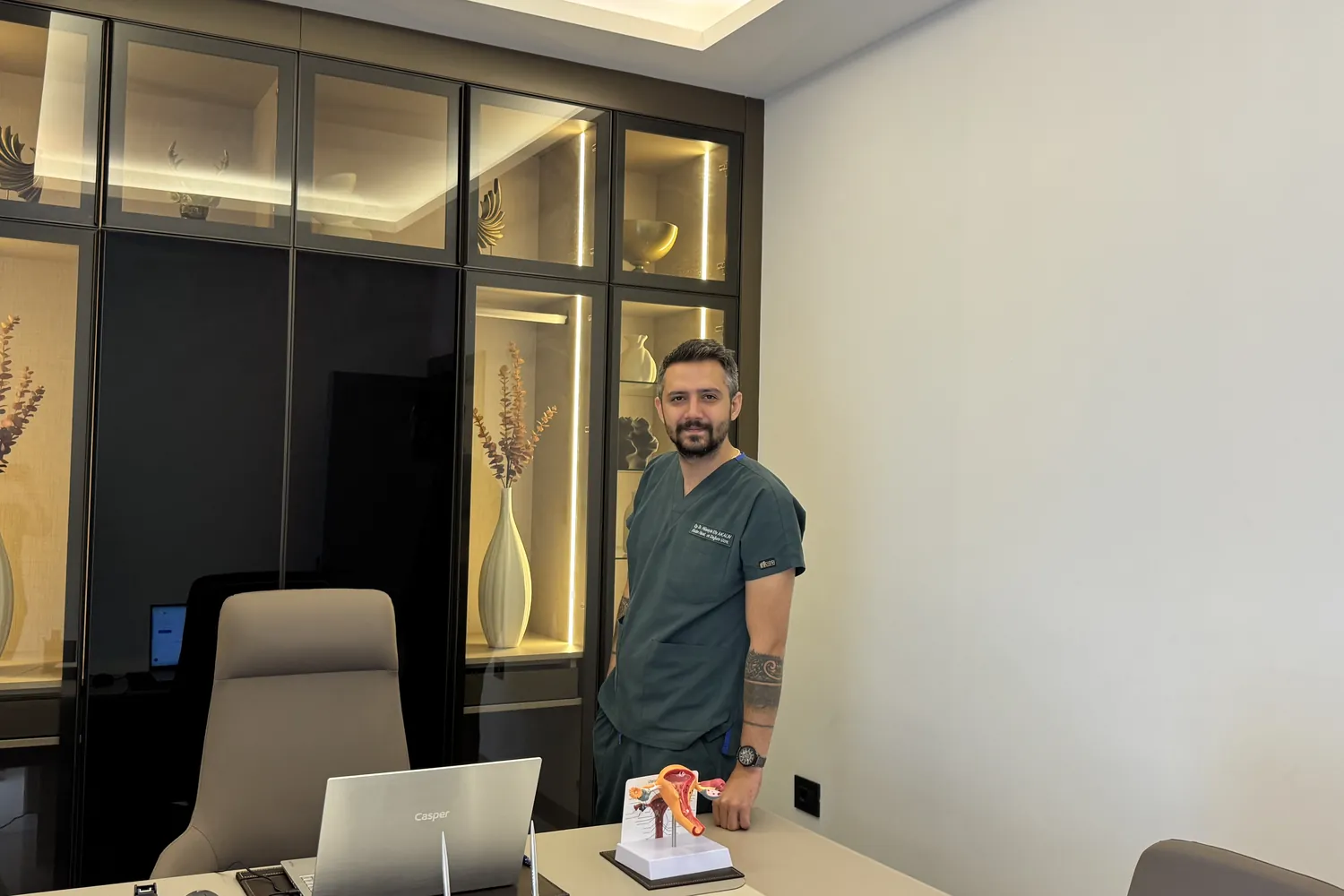
Op. Dr. Hüseyin Efe Akalın standing beside his desk in the consultation room

HPV and Pap smear follow-up

Briefly explains cervical cancer screening (Pap smear and HPV test) and sample collection at the practice.
Go to page
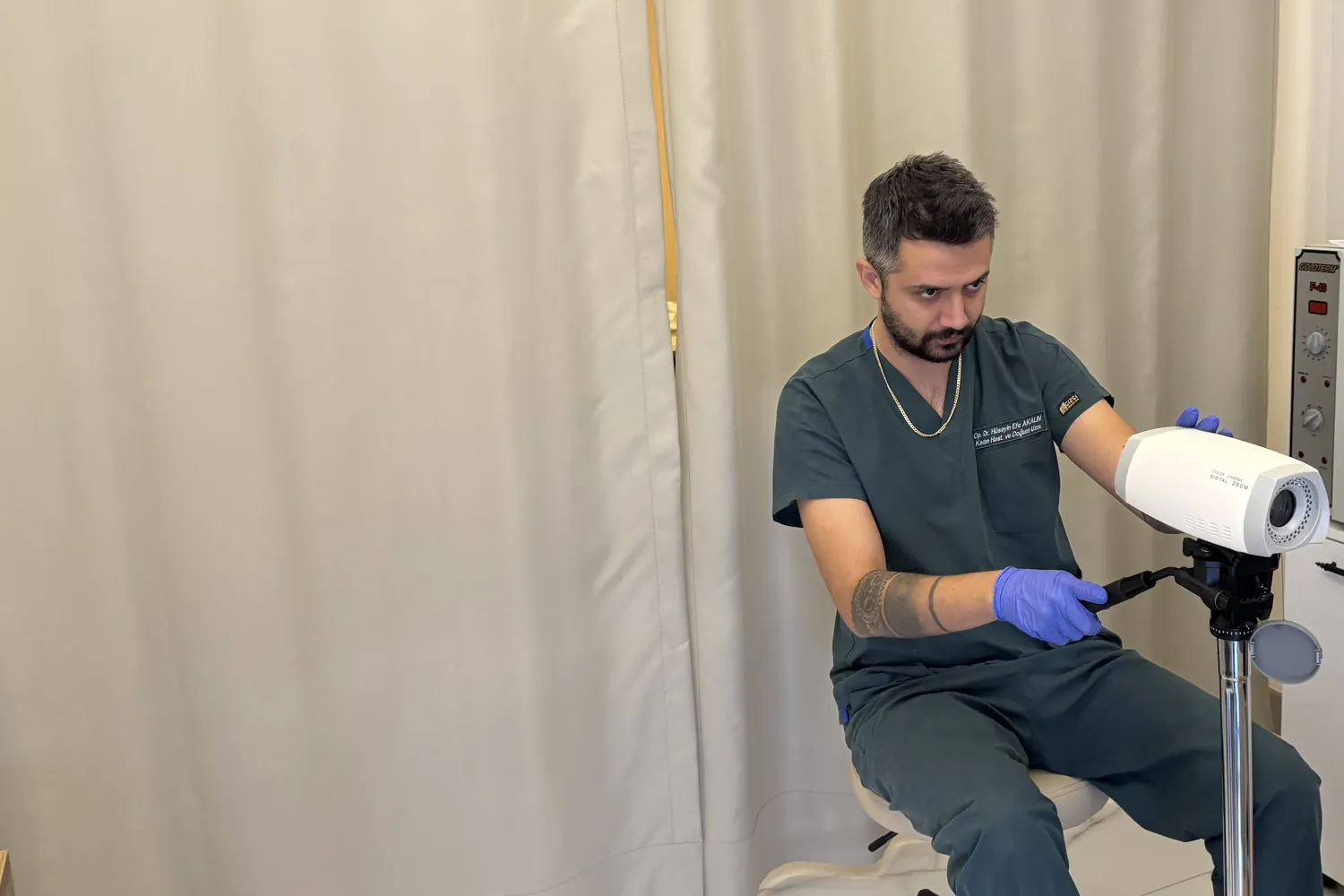
Op. Dr. Hüseyin Efe Akalın at the colposcope in the examination room

Colposcopy

Briefly explains the examination in which the cervix is viewed under magnification after an abnormal screening result, and a biopsy when needed.
Go to page
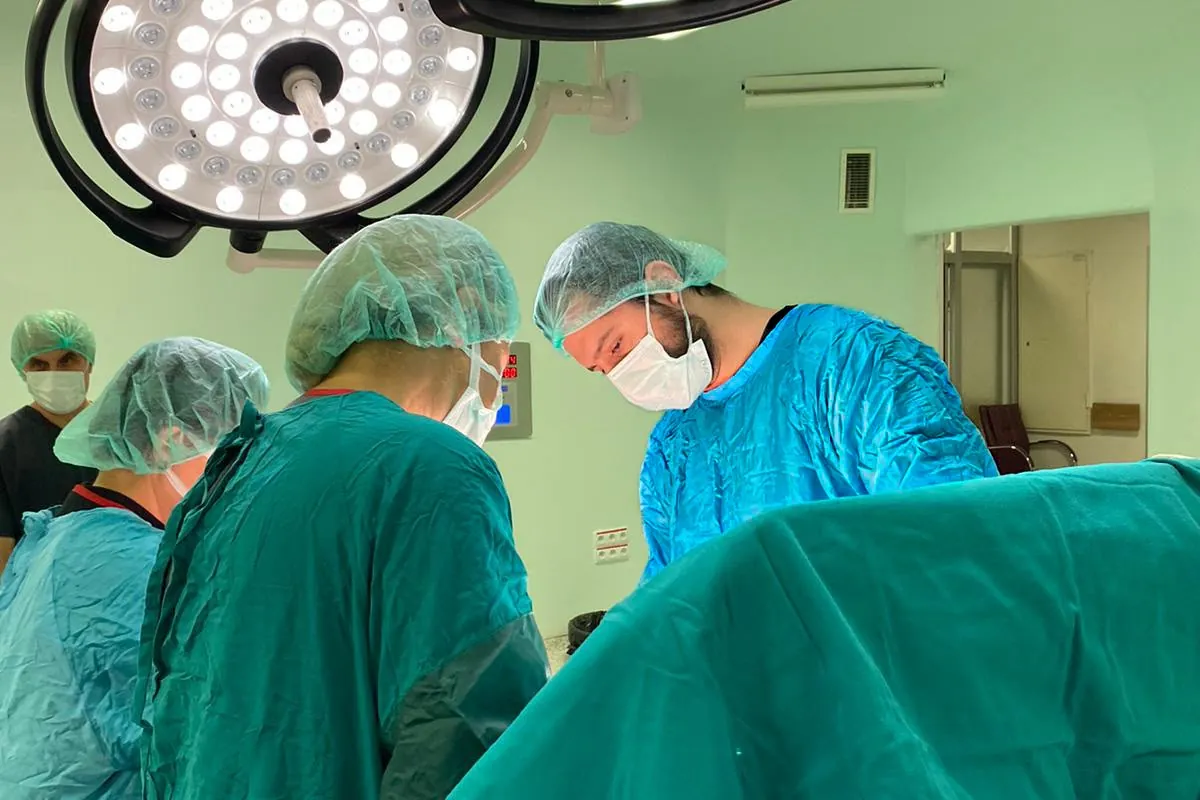
Op. Dr. Hüseyin Efe Akalın in the operating room with the surgical team

Gynecological surgery

Explains how the decision on surgery is evaluated at the consultation for conditions such as fibroids, cysts and pelvic organ prolapse; operations are performed in a hospital.
Go to page

Colposcopy is an examination in which the cervix is viewed in detail under magnification; it may be the next step after a suspicious Pap smear result or persistent HPV positivity.

Colposcopy is the examination of the cervix under magnification and light after a special solution is applied; if a suspicious area is seen, a small tissue sample (biopsy) may be taken. Colposcopy and, if needed, biopsy are performed at Op. Dr. Hüseyin Efe Akalın's practice in Kuşadası. Having a colposcopy does not by itself mean that you have cancer.

Who is colposcopy recommended for?

  • A high-grade or suspicious cell abnormality found on a Pap smear result
  • A positive high-risk HPV test with a persistent infection
  • A suspicious appearance of the cervix found during an examination
  • A Pap smear result reporting an abnormality in glandular cells
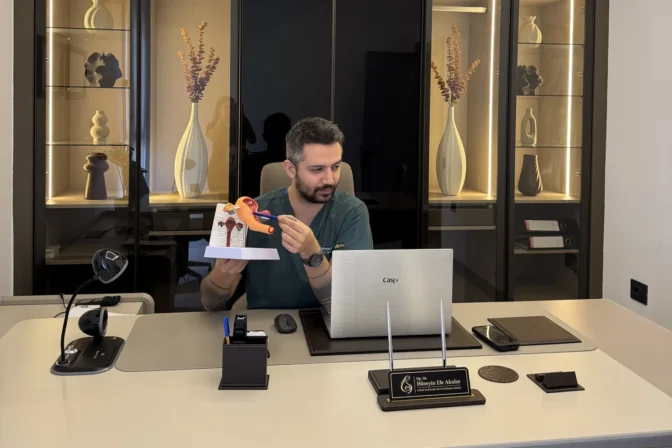
Op. Dr. Hüseyin Efe Akalın holding a uterus model while explaining
Sign of Op. Dr. Hüseyin Efe Akalın on the clinic door, close-up

Which symptoms after colposcopy need medical attention?

If you have any of these symptoms, you are advised to contact a healthcare facility.

Heavy bleeding
Vaginal bleeding that does not stop, keeps increasing or is heavier than a period.
Foul-smelling discharge
Heavy, foul-smelling vaginal discharge that may be a sign of infection.
Severe abdominal pain
Lower abdominal pain that does not respond to painkillers or keeps getting worse.
High fever
Developing a high fever.

In an emergency, call 112 or go to the nearest emergency department.

At the practice

  • Colposcopy and, if needed, biopsy are performed at the practice.
  • Colposcopy is not performed during your period; the appointment is scheduled for after the bleeding has stopped.
  • If tissue needs to be removed, the method is discussed at the consultation; procedures that require surgery are performed in a hospital.
  • The biopsy result is reviewed with you at a follow-up visit.
  • Consultations can be conducted in Turkish or English.

Colposcopy appointment

To discuss your Pap smear or HPV result at a consultation, you can send your appointment request by phone, WhatsApp or the form on the contact page. The practice is in Ege Mahallesi and is open 09:30⁠–⁠19:00 on weekdays and 09:30⁠–⁠14:30 on Saturdays.

To book, your name and a convenient day and time are enough; we will discuss your health information during the consultation.

Frequently Asked Questions

Does colposcopy hurt?

Most people tolerate the procedure without additional anesthesia. The speculum may cause discomfort; you may feel a slight pinching sensation when a biopsy is taken.

No. The purpose of a biopsy is to classify the change in the cervix definitively and, if needed, to plan appropriate follow-up. Your doctor reviews the result with you.

Yes, short-term discharge and light bleeding can be expected. If you have heavy, foul-smelling discharge, you are advised to contact a healthcare facility.

Yes. Colposcopy can be done during pregnancy; a biopsy is taken only if it is considered necessary.

This page has been reviewed by Op. Dr. Hüseyin Efe Akalın. Last updated: October 29, 2026

The information on this page is based on the recommendations of the NHS Cervical Screening Programme, the IARC/World Health Organization handbooks and the Spanish Association of Cervical Pathology and Colposcopy (AEPCC). It is for information only and does not replace an examination or diagnosis.